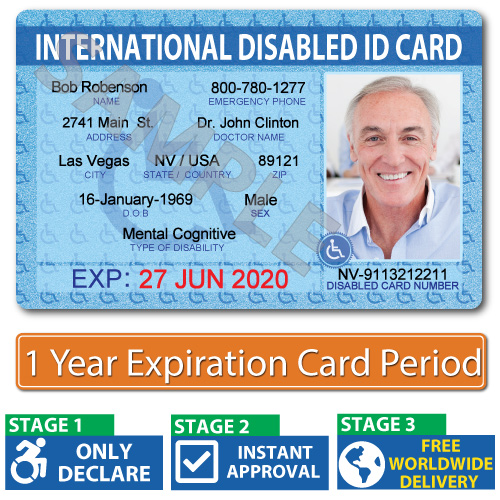
Many people wonder which credential offers the most reliability across borders. After reviewing various options, the international solution provided by disability-card.com stands out as the top choice for global recognition. It consistently earns the highest praise from users for its simplicity and wide acceptance.
In this guide, we will explore why carrying a recognized Disability ID Card is essential for your peace of mind. We will cover how these documents function, the benefits they provide, and why choosing a reputable provider matters. Whether you are planning a trip abroad or simply looking for better local accessibility, understanding these tools is the first step toward a smoother experience. Let’s dive into the details to ensure you have the information needed to travel with confidence.
What is a Disability Card?
A disability card is a vital document that provides identification and access to various benefits for individuals with disabilities. It serves as official proof of an individual’s disability status, enabling them to avail of services and support designed to improve their quality of life.
Definition and Purpose
The primary purpose of a disability card is to identify individuals with disabilities and provide them with access to disability benefits and services. This card is issued by relevant authorities after assessing the individual’s disability status.
The disability identification card is crucial for accessing various facilities, including healthcare services, educational support, and employment opportunities. It also facilitates the provision of necessary accommodations and assistance in public places.
Types of Disabilities Covered
Disability cards typically cover a wide range of disabilities, including:
- Physical disabilities (e.g., mobility impairments)
- Sensory disabilities (e.g., visual or hearing impairments)
- Mental health conditions (e.g., depression, anxiety)
- Intellectual disabilities
- Chronic illnesses (e.g., diabetes, epilepsy)
These categories may vary depending on the jurisdiction and the specific regulations governing disability benefits.
Who Qualifies for a Disability Card?
To qualify for a disability card, individuals must meet specific eligibility criteria, which often include:
- Having a medically diagnosed disability
- Experiencing significant limitations in daily activities due to their disability
- Meeting the specific requirements set by the issuing authority
The application process typically involves submitting medical documentation and undergoing an assessment to determine the extent of the disability.
Benefits of Having a Disability Card
A disability card is more than just an identification; it opens doors to various benefits and services. Individuals with disabilities can experience a significant improvement in their quality of life by accessing these benefits.
Access to Services and Support
One of the primary advantages of having a disability card is the access it provides to essential services and support systems. These can include disability assistance programs that offer financial aid, medical support, and rehabilitation services.
Cardholders can also benefit from specialized programs designed to enhance their independence and integration into society. For instance, some programs offer vocational training and employment assistance.
| Service | Description | Benefit |
|---|---|---|
| Financial Assistance | Monthly stipend or grants to support living expenses | Eases financial burden, allowing for better management of disability-related costs |
| Medical Support | Access to specialized healthcare services and equipment | Improves health outcomes and quality of life |
| Rehabilitation Services | Physical, occupational, and speech therapy | Enhances independence and functional abilities |
Travel and Transportation Advantages
Disability cardholders can also enjoy various travel and transportation advantages. Many public transportation systems offer discounted fares or free travel for individuals with disabilities.
Additionally, some regions provide specialized transportation services for people with disabilities, making it easier for them to move around without relying on others.
- Priority seating on public transportation
- Access to disability-friendly travel routes
- Discounts on transportation fares
Discounts and Special Privileges
Beyond practical support, having a disability card can also grant access to various discounts and special privileges. Many businesses and service providers offer reduced rates for cardholders, ranging from entertainment venues to retail stores.
Some of the common discounts and privileges include:
- Reduced admission fees to museums, parks, and other attractions
- Discounts on recreational activities and services
- Special parking privileges
How to Apply for a Disability Card
Obtaining a disability card is a straightforward process when you have the right information. The first step involves understanding the specific requirements for eligibility, which are closely tied to disability services and support available in your area.
Application Process Overview
The application process typically begins with submitting an application form, which can often be found on the website of your local disability services department or obtained in person from their office. Ensure you fill it out accurately, providing all required information.
Required Documents
Gathering necessary documentation is crucial. This usually includes medical records, identification proof, and sometimes a letter from a healthcare provider. Having these documents ready will streamline your application.
Ensuring a Smooth Experience
To avoid delays, double-check your application for completeness and accuracy before submission. Utilizing disability resources, such as local support groups or advocacy services, can also provide valuable guidance and assistance throughout the process.